
Menopause and Depression – How To Cope When You’re Feeling Low



Here at Charlotte Hunter Nutrition, we’ve explored the connection between menopause and depression a whole heap of times. This is because depression is still a taboo topic, and while it is getting better, it’s crucial we talk about it.
Depression is a lonely condition, and feeling like you’re dealing with it alone can make it ten times worse.
So, let’s take a look at menopause and depression. Which came first? And, most importantly, how can you cope when you’re feeling low?
Let’s dive right in.
Menopause and depression – an introduction
Perimenopause and menopause itself are both turbulent times. It’s literally dubbed, for many, as a life-changing rollercoaster.
The changes to your hormones play a huge role in these loop-the-loop emotional changes, but there’s so much more to the link between menopause and depression than fluctuating hormones.
How are menopause and depression linked?
Menopause and depression are closely linked, unfortunately. Many women struggle with their mental health during perimenopause and menopause, and depression is far more common than you might think.
In fact, around 30 to 35% of women in menopause are diagnosed with depression. This statistic is significantly higher for women who are perimenopausal.
But what, exactly, can trigger depression during perimenopause and menopause? Let’s take a look at some factors.
Hormonal changes
For many women, the changes to their hormone levels causes extreme mood swings and can trigger mental health issues.
During perimenopause, your menstrual cycle changes. You’ll see changes to your periods, whether they’re heavier, lighter, longer, shorter, more sporadic or more frequent.
It’s these hormones that are controlling your menstrual cycle that also impact your serotonin levels. Serotonin is a chemical that helps you feel happy and comfortable. When your hormones linked to reproductive health and your menstrual cycle decline, so too does your serotonin levels. For many, this can lead to mood swings and sudden rage. For some, this can trigger anxiety, and, of course, depression.
Menopause and depression can come hand-in-hand for women due to falling oestrogen and progesterone levels. However, the extremities can vary from person to person. For some, they may feel a little low. For others, it can be debilitating, especially if the person has a history of depression.
Lack of sleep
It’s no secret that sleep disruption is a huge factor at play when it comes to mental health. When we consider menopause and depression, it makes sense to blame poor sleep quality for some of the struggle.
Insomnia, for example, is a relatively common side effect of perimenopause. In fact, some studies report that 31-42% of women in perimenopause list chronic insomnia as one of the hardest symptoms to deal with. Further still, some experts have estimated that this figure could be as high as 57% to 90%!
Night sweats, too, can impact your sleep quality. They can, at times, wake you and make it impossible to fall back to sleep. This can cause intense frustration and make the smaller inconveniences the next day feel much bigger.
Poor sleep quality is a huge factor when it comes to menopause and depression. In fact, it’s one of the leading reasons why adjusting to menopause in the workplace is so challenging.
The University College London (UCL) theorised in 2023 that consistently sleeping for less than 5 hours per night may raise the risk of developing depressive symptoms. When sleep is interrupted – as it so often is during menopause and perimenopause – it’s no wonder why so many women are struggling with menopause and depression.

Big life changes during this transitional period
When we think about perimenopause and menopause, our mind instantly goes to hot flashes, vaginal dryness and weight gain. There’s a subconscious link in our minds between low mood and these physical symptoms, so we often forget that there’s usually a lot of changes happening in this time of life.
Put your fluctuating hormones to the side for now. Whether you’re perimenopausal or menopausal, many women have to handle a great deal of stressful factors at this point. Changes such as the following can cause serious stress:
- Your children leaving home
- Dealing with health problems
- Pressures from work
- Having to look after relatives and aging parents
Remember that, perimenopausal or not, you’re still human. Everyone would deal with big life changes with some level of stress. It’s when these factors are combined with physical symptoms, such as joint pain and headaches, that everything can get a little bit much and you can start to spiral.
A history of depression
While it’s not certain that you’ll develop depression in menopause because you had it in the past, it does increase your risk. It’s really important that you keep your doctor in the loop if you’re experiencing your previous symptoms or you’re having new ones. These include (but are not limited to):
- Feeling consistently low, hopeless, or irritable
- Having a significantly smaller appetite or overeating
- Finding it tricky to make decisions
- Losing interest in hobbies and activities you once enjoyed
- Experiencing fatigue
- Over or under-sleeping
Symptoms of depression
First up: depression isn’t just feeling sad. Whether we’re looking at menopause and depression or simply depression by itself, everyone experiences it slightly differently. That said, here are the most common symptoms:
- Consistent low mood, feeling hopeless and/or helpless
- Low self-esteem
- Feeling teary and sensitive
- Feeling extreme guilt
- Sudden irritability and anger
- A lack of motivation
- Struggling to make decisions
- Feeling extreme anxiety or over-worrying about everything
- Having thoughts about suicide or harming yourself. It is critical you call for emergency help if this is the case.
However, depression can also manifest as physical symptoms, including:
- Slower speech and movement
- Changes to appetite and weight
- Constipation
- Loss of libido
- Low energy
- Aches and pains that you can’t explain
You may too find that, when you’re struggling with menopause and depression, it impacts the way you interact with others. It’s not uncommon to avoid socialising entirely or to neglect your hobbies and interests.
How to cope with menopause and depression
It’s so crucial to allow your doctor to help you if you’re struggling with menopause and depression. While it can be frightening to open up to a healthcare professional, remember that they are there to help you.
As you’re receiving help from a doctor, there are other things you can do to boost your mood, too.
Exercise regularly
It can be tempting to avoid exercise entirely when you’re dealing with menopause and depression. While it’s understandable, try to battle your brain. Remember, depression likes to fester.
Physical activity – no matter which you choose to do – can give you a real mood boost. Not to mention, exercise seriously helps with so many perimenopause and menopause symptoms, including poor sleep, hot flashes, and even skin changes.
Exercise can give your self-esteem a boost and aid with body image. It releases hormones that allow you to feel proud of yourself, reducing stress and anxiety.
Even if you take a ten minute stroll to the shop and back while listening to a podcast or your favourite album, it’s all steps toward beating the impact menopause and depression has on your everyday life.

Avoid alcohol
The term “night-cap” should be removed from the English language, because alcohol is detrimental to your sleep quality.
As we’ve already seen, poor sleep can trigger mental health issues, and alcohol can worsen your sleep.
Not to mention, alcohol is a depressant. It literally drags your mood down. If you’re already struggling with poor mental health, alcohol is not your friend. You’ll want to avoid it as much as possible.
Plus, if you’re struggling with weight control, this can often contribute to poor mental health. Alcohol promotes weight gain, so it’s best to ditch the booze.
Prioritise your sleep
We already know that sleep is crucial for healthy mental health. It’s not just about quantity, but also about quality.
However, it can feel almost impossible when you’re going through perimenopause and menopause, struggling with insomnia and night sweats.
While tricky, it’s fundamental to try to get the best quality sleep you can if you’re struggling with menopause and depression.
You can get better sleep during menopause by:
Establishing a consistent sleeping routine
Go to bed and wake up at the same time every single day, including the weekends. This will help to reset your body clock.
Set up your room for tranquility and good sleep
Make sure your bedroom is as cool as possible to tackle night sweats. Keep your windows open at night if your home isn’t in a loud area.
You’ll want to keep your room as dark as possible, too. It may be time to invest in some black-out blinds or curtains!
Ditch your duvet and opt for lighter layers of blankets, instead. If you’re struggling with night sweats, it’s more realistic to kick off a blanket or two without waking up in comparison to a huge winter duvet.
Keep your fan on throughout the night to manage night sweats. You can always add a layer of blankets if you do get cold.
Limit your use of screens before bed time
There’s a reason we take screens away from the kids before bed! Phones, iPads and television screens produce a blue light that can interfere with your body’s melatonin production. If you’re struggling to fall asleep in the first place, it’s likely due to screen-time way too close to bed.
Ditch caffeine and alcohol
What you put into your body can make the world of difference when it comes to sleep quality. Caffeine, for example, is famously known for it’s “wake up” properties. It also makes 99% of all your perimenopause and menopause symptoms worse, including panic attacks and, of course, fatigue.
Alcohol worsens your sleep quality and makes it tricky to stay asleep once you’ve drifted off. It can also trigger low mood.
Exercise regularly
Routine, gentle exercise improves sleep. Just make sure you don’t exercise too close to bed time.
Eat a healthy diet
Whether you’re struggling with menopause and depression or you’re finding your symptoms simply too much to deal with, a healthy diet is critical.
When it comes to mental health, a healthy diet helps by providing key nutrients and healthy fats for your brain to function properly. Not to mention, it aids with gut health and provides amino acids for your neurotransmitters that help to regulate your mood.
When it comes to nutrition, it’s all about balance. Make sure you’re eating plenty of fresh fruits, vegetables, whole-grains, lean protein, nuts, seeds and oily fish.
Research has shown that a healthy diet – specifically the Mediterranean Diet – has links to a lower risk of depression and depressive symptoms.
Manage your stress and wellbeing with techniques
It’s so much easier said than done, but it’s important to learn how to manage your stress in your own way. Everyone is different and the way they respond to techniques will vary from person to person. So, don’t be afraid to experiment and learn what works for you.
The most common depression and stress management techniques include:
- Yoga
- Tai chi
- Meditation
- Journalling
- Making time for self-care
- Walking and running
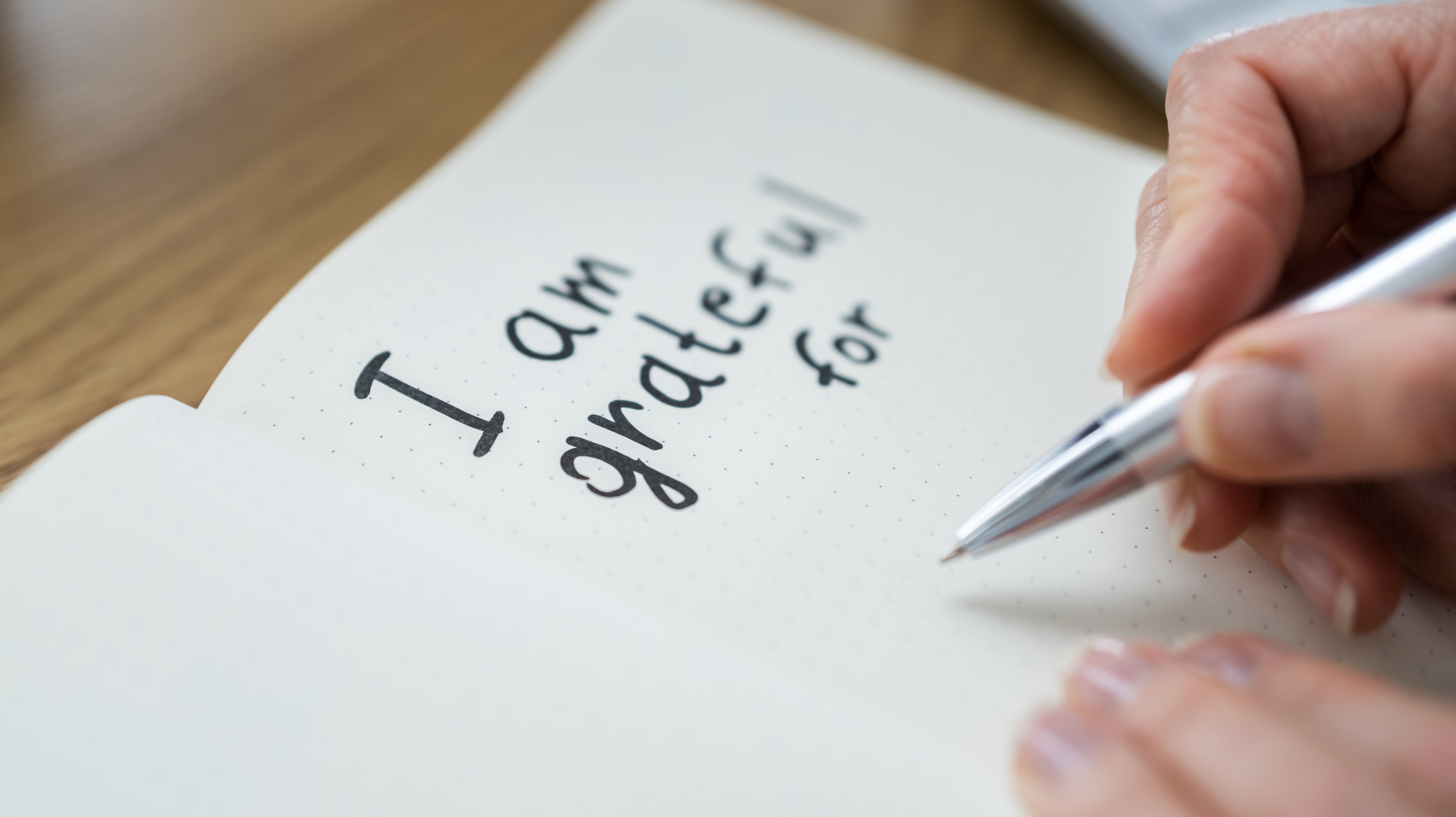
Talk about how you’re feeling with someone you trust
It can be daunting to talk openly about menopause and depression, but it’s so important that you do it.
Bottling things up will make you feel worse, and it’s likely to confuse the people around you when you explode.
Whether you choose to talk to your partner or spouse, your children or a close friend, make sure you’re being open and honest about how you feel.
That way, your loved ones can learn how to support you as you transition through this period, and how to work with you to improve your mental health.
Menopause and depression – when to see a doctor
Dealing with symptoms on your own rarely works out well. When it comes to menopause and depression, you should always keep your doctor in the loop.
You should see a doctor as soon as possible if:
- Your daily life is affected, interfering with work, relationships, sleep or general wellbeing
- Your mood swings are uncontrollable and persistent
- You’ve lost interest in activities and hobbies you used to enjoy
- You’re frequently wiped out with fatigue and have no motivation to do anything
- You’re struggling to stay focused and you’re experiencing brain fog
- You have a history of depression
Remember, your doctor is there to help you cope. This is a challenging period of your life at the best of times, so don’t be afraid of letting them help you.
Menopause and depression – in a nutshell
Unfortunately, menopause and depression are closely linked. For many women – especially those who have been through depression in the past – depression is common during perimenopause and menopause as fluctuating hormones cause mood imbalances. However, it’s also important to consider how a lack of sleep and changes to life are impacting your mental health.
Remember, you should always speak with your doctor about mental health concerns during perimenopause and menopause. On top of this, regular exercise, alcohol and caffeine avoidance, getting plenty of rest, eating a balanced diet and speaking to someone you trust are all good techniques to help with low mood.
When it comes to menopause and depression, everyone’s experience is different. That’s why it’s so important that we talk openly about it. You are not alone and you will get through this.
Leave a Reply
- free ebook alert -
WHAT TO EXPECT WHEN YOU’RE
going through the menopause
Demystify your understanding of what’s happening to you. Arm yourself with solid, game-changing information to support you through this challenging phase of your life.
grab your copy now →

WHAT TO EXPECT WHEN YOU’RE
going through the menopause